

Accessing satellite data has historically been locked behind high barriers to entry. To receive and interpret the information that satellites transmit, organisations typically need ground stations (dedicated antenna systems that can cost hundreds of thousands of euros), radio frequency equipment, and teams of specialists who understand the complex protocols involved. This setup puts valuable satellite data out of reach for the vast majority of potential users, including researchers, small businesses, and public sector organisations that could benefit enormously from it. Our client came to us with a clear product vision: build a cloud-native SaaS platform that removes every one of these barriers. The platform needed to handle the entire data pipeline, from capturing raw radio signals to presenting clean, usable information in a web interface, all without requiring the end user to own or operate any specialised hardware.
From Hardware to Browser: Building a Self-Service Cloud Platform for Real-Time Sensor Data
The Challenge

The Solution
We designed and built the platform on a fully cloud-native architecture, using a multi-cloud strategy across both AWS and Microsoft Azure. Instead of relying on a single physical antenna, the platform connects to managed ground station networks (AWS Ground Station and Azure Orbital, which are cloud services that provide on-demand access to satellite antennas around the world). This was a key architectural decision: by abstracting the hardware layer into cloud services, we eliminated the biggest cost and complexity barrier for end users.
On the backend, our team developed custom signal processing modules to handle the raw data streams coming in from satellites. We implemented full support for the PUS protocol (Packet Utilisation Standard, an industry-standard format for structuring satellite data, comparable to how JSON or XML structures data on the web). These custom-built components formed the core of the data pipeline, converting noisy radio signals into structured, queryable datasets. The entire system was designed with scalability in mind, using containerised microservices that could handle data from multiple satellites and ground stations simultaneously.
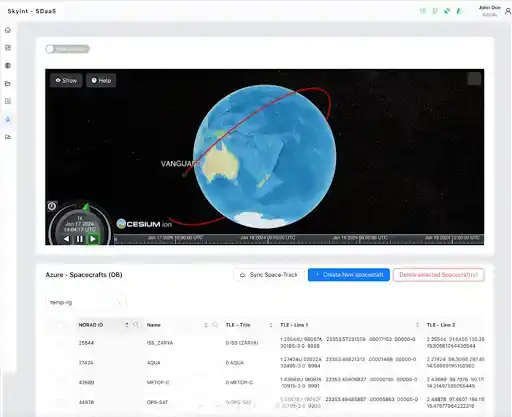
On the frontend, we built a clean, intuitive web interface where users could browse, query, and visualise satellite telemetry in real time. The goal was to make the experience feel like any modern SaaS product: log in, select your data source, and start working. No antennas, no radio equipment, no specialist knowledge required. The result was a true plug-and-play platform that reduced the complexity of satellite data acquisition to a few clicks in a browser.



The Result
The platform delivered a dramatic improvement in how satellite data could be accessed and used. Compared to traditional methods (purchasing ground station hardware, setting up antenna arrays, hiring RF engineers), our cloud-native approach reduced the time from request to usable data by over 60%. What previously took days of setup and manual processing could now be done in minutes through the web interface.
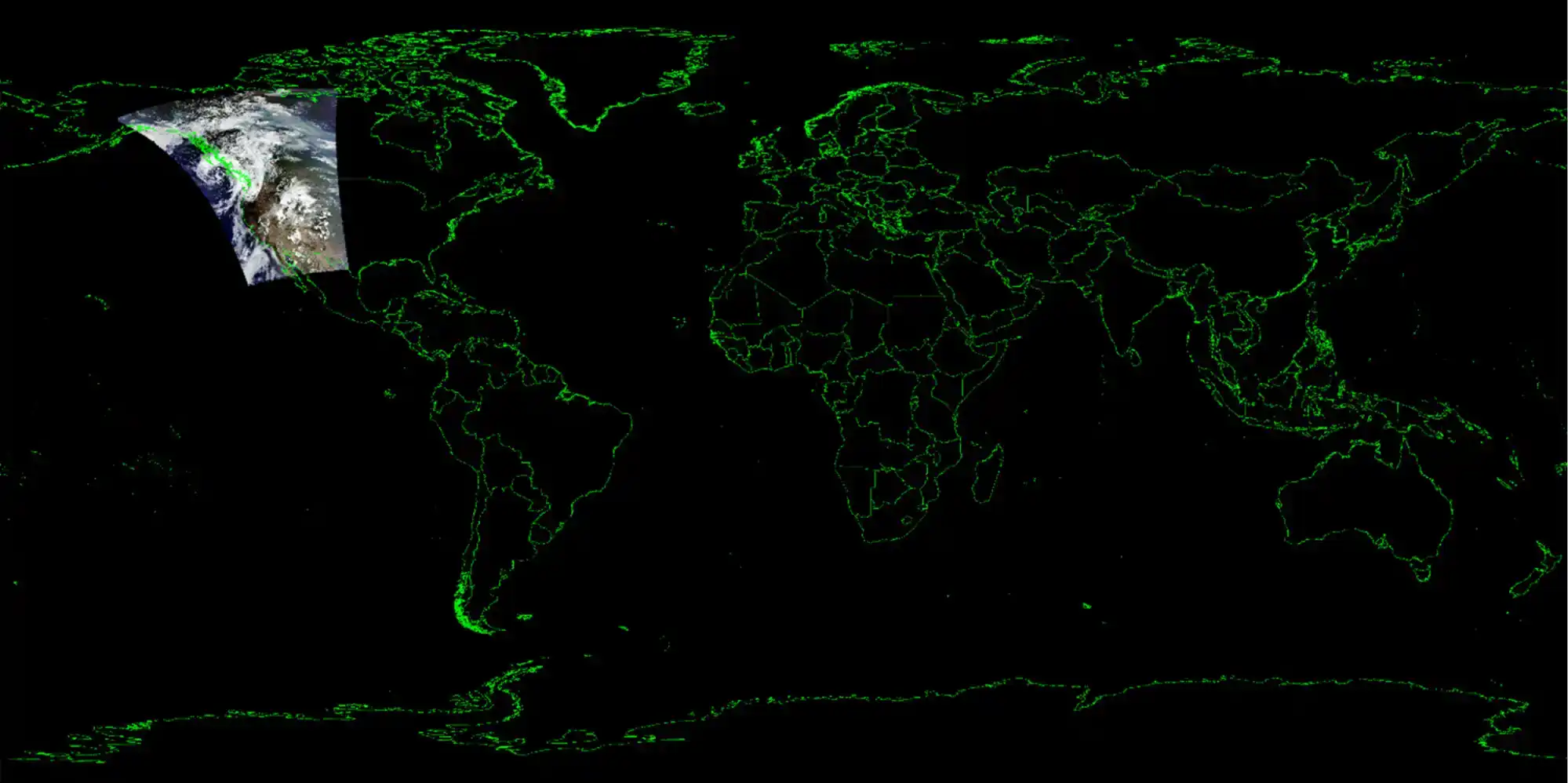
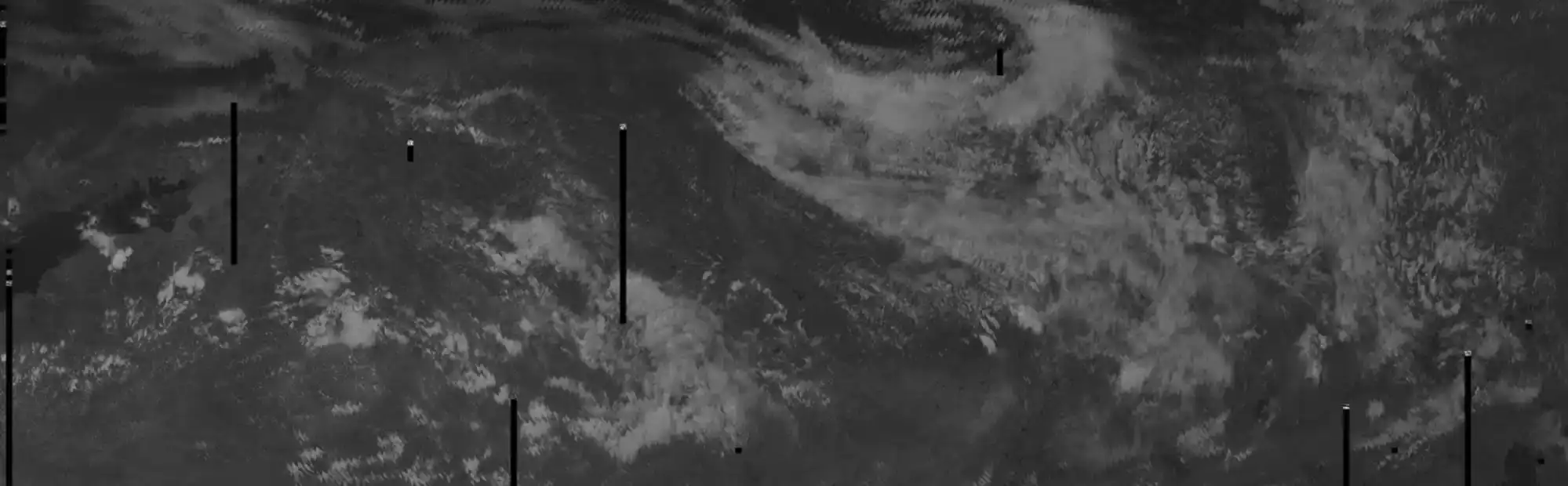
During proof-of-concept testing, the platform successfully downloaded and processed over 50GB of data from the AQUA satellite (a NASA Earth observation satellite that monitors global water cycles, vegetation, and atmospheric conditions) in a single 12-minute window. Despite this high-throughput performance, the total cloud infrastructure cost for the entire two-year project came to approximately 1,300 EUR, demonstrating the exceptional cost efficiency of the cloud-first approach.
By packaging complex data acquisition into an accessible SaaS product, the platform opened satellite data to entirely new user groups: university researchers, environmental analysts, agricultural companies, and commercial operators who previously lacked the infrastructure or budget to work with this kind of information. The web-based interface and cloud architecture meant that anyone with an internet connection could access professional-grade sensor data.
Beyond the immediate product, the project served as a successful proof of concept for cloud-first data infrastructure in a traditionally hardware-heavy industry. It validated that modern web technologies, multi-cloud architecture, and thoughtful SaaS design can replace millions of euros worth of physical equipment, laying a strong foundation for our client's commercial growth.

Project tech stack


Amazon Web Services (AWS)


Microsoft Azure


PUS Protocol