

Our client's customers run small satellites: compact spacecraft, roughly the size of a microwave oven, that circle the Earth and send data back down. Running even one of these involves juggling a lot of information at once: streams of readings coming from the spacecraft (this live feed of measurements is called telemetry), tracking where the satellite is in its orbit, working out when each task should run, and keeping records straight. The tools available to these operators were a patchwork of spreadsheets, standalone desktop programs, and expensive outside consultants brought in to cover the gaps. The result was exactly what you would expect from any growing business still stuck on spreadsheets: slow workflows, duplicate data, frequent human error, rising costs, and no single place to see what was actually going on. Our client came to us needing what many modern businesses need today, a proper web SaaS platform (software that customers log into in a browser, rather than install on a laptop) that would pull all of this into one product and automate the repetitive parts.
Building a Modern Web SaaS Platform, from Blank Page to Production
The Challenge
The Solution
We designed and built the full web application end to end. On the backend (the part of the product that runs on the server and handles data, logins, and business logic) we used PHP with the Laravel framework and a MySQL database, a combination well suited to handling structured business data, user accounts, and high volumes of incoming records. On the frontend (what the user actually sees and clicks in their browser) we used React with Tailwind CSS to create a fast, responsive interface that feels closer to a modern consumer product than to traditional industry software.
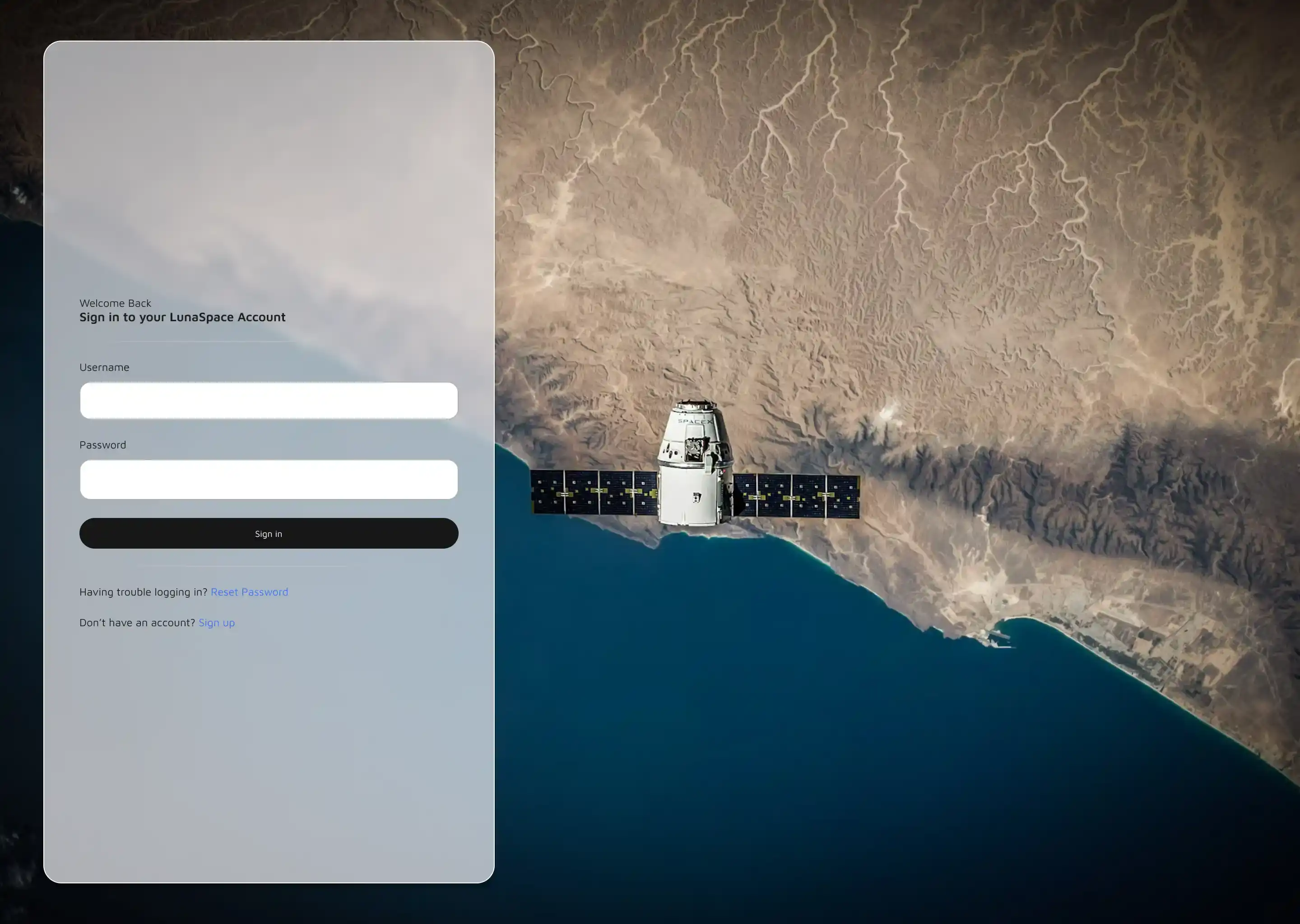
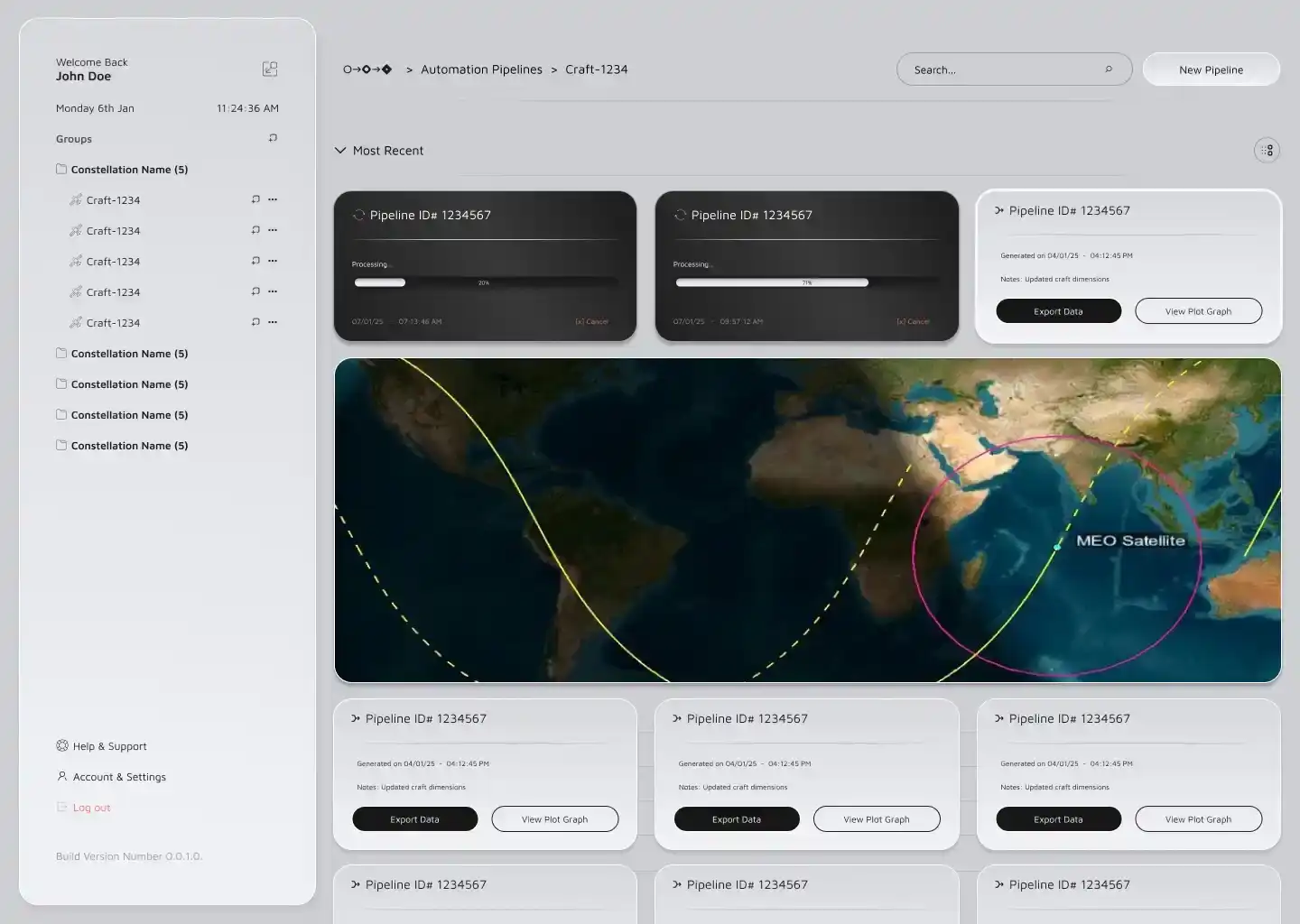
The platform lets users upload their data files; the system processes, validates, and stores them automatically. A clean dashboard presents the results with interactive charts, including a 2D map that shows where each satellite is in real time (similar in spirit to a flight-tracking website). A smart scheduling engine works out the best time to run each task and lets users adjust plans on the fly. Role-based permissions (so, for example, a junior analyst sees different screens to a team lead) keep collaboration safe and organised. Every piece of this, from the login flow, to the charts, to the data pipeline, is custom software we built and can keep evolving with the client as their product matures.

The Result
The finished product replaces a tangle of spreadsheets, desktop utilities, and outside consultants with a single, modern web application. Internal measurements showed that repetitive manual work dropped by around 50%, because tasks that used to be done by copying values between files are now handled by the backend automatically. Operating costs for the client's customers fell by an estimated 20 to 30%, largely by removing the need to pay outside specialists for work the platform now does on its own. The dashboard gives users a clear, at-a-glance view of their data, which means faster decisions and fewer mistakes.
Because the product is cloud-hosted and built on a well-proven stack (Laravel on the server, React in the browser, MySQL for storage), it scales cleanly from a customer running a single satellite to one managing a whole fleet, with no reinstallation, no local setup, and no specialist IT required on the customer's side. The architecture is modular, so new features can be added without disturbing what is already there. The outcome is a polished, production-grade SaaS platform that shows what a small, focused development team can ship: a genuinely useful web product, built to modern standards, in a niche market, and ready to grow.

Project tech stack


React


PHP


Laravel


MYSQL

Tailwind CSS