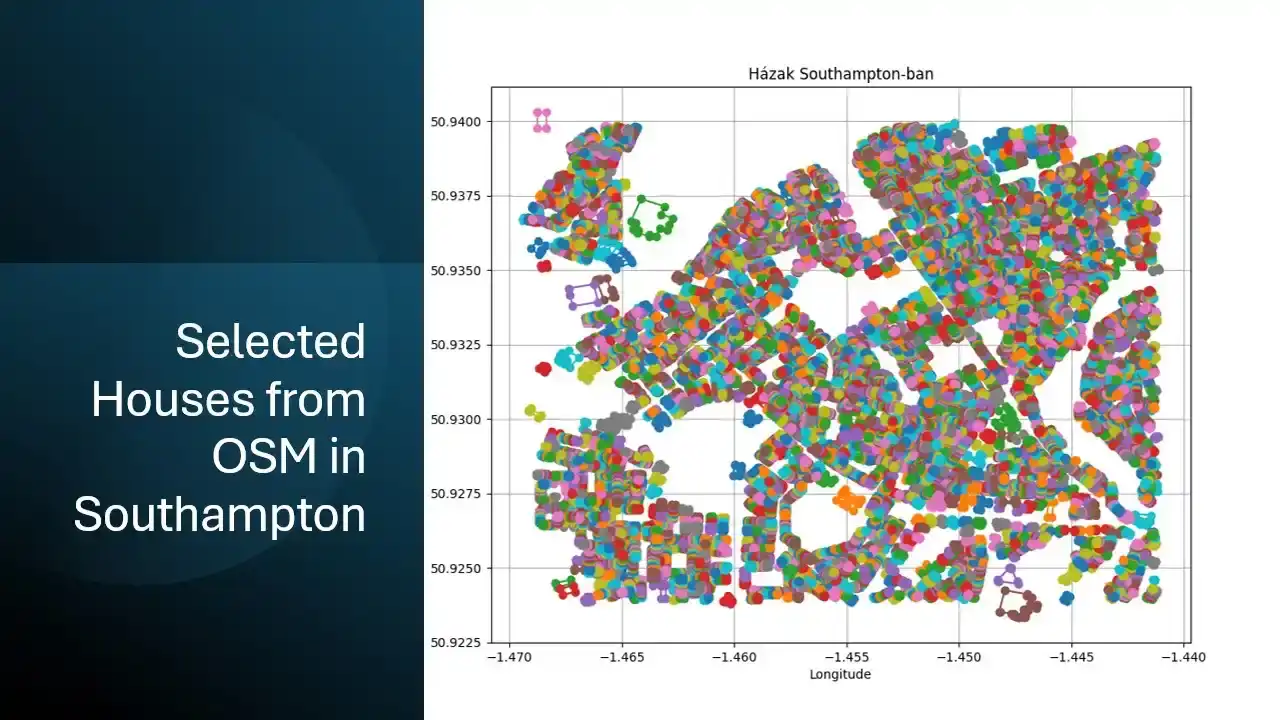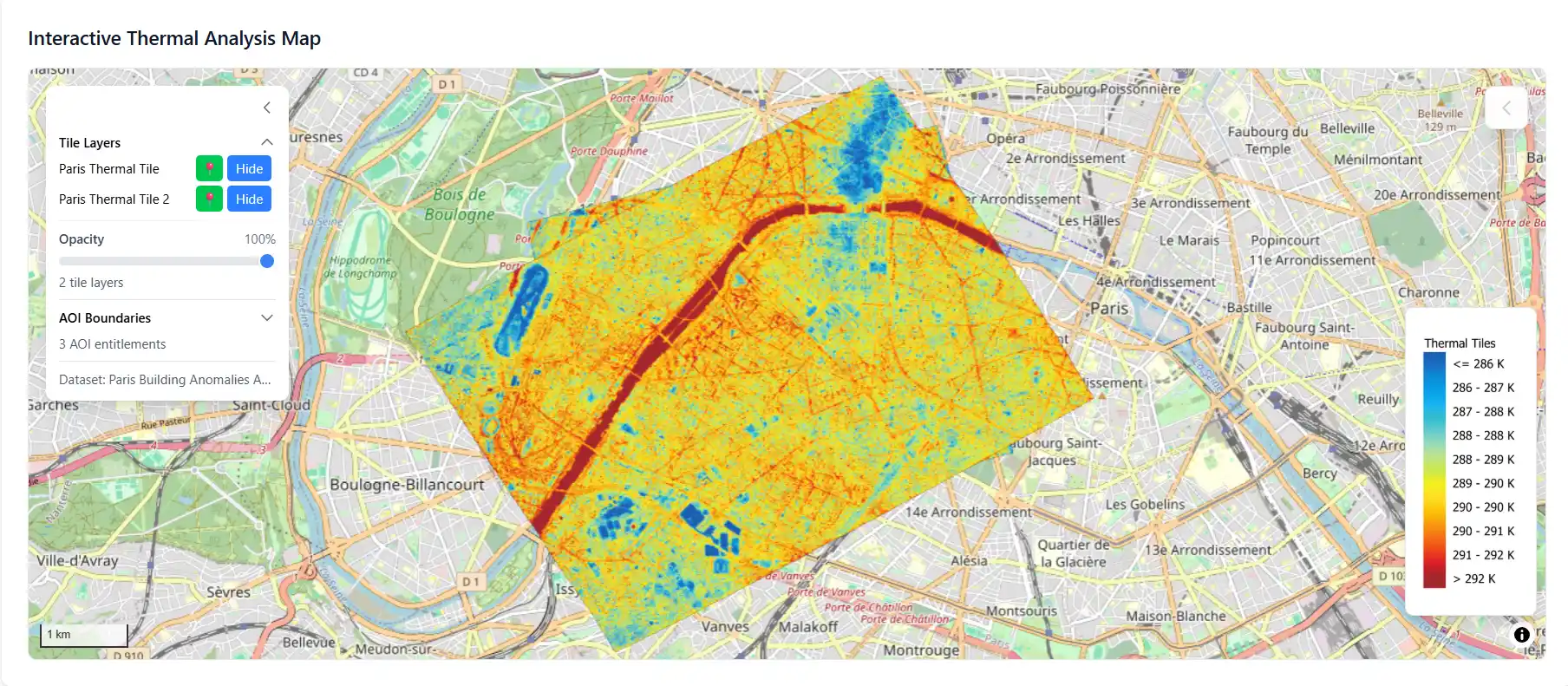
Buildings account for nearly 40% of global energy consumption, so identifying the ones that leak the most heat is a massive opportunity for governments, utilities, and construction firms. The real blocker is data. Traditional energy audits depend on sending inspectors to each site with a thermal camera (a camera that sees heat instead of visible light), one building at a time. It is slow, expensive, and impossible to scale to an entire city, let alone a country.
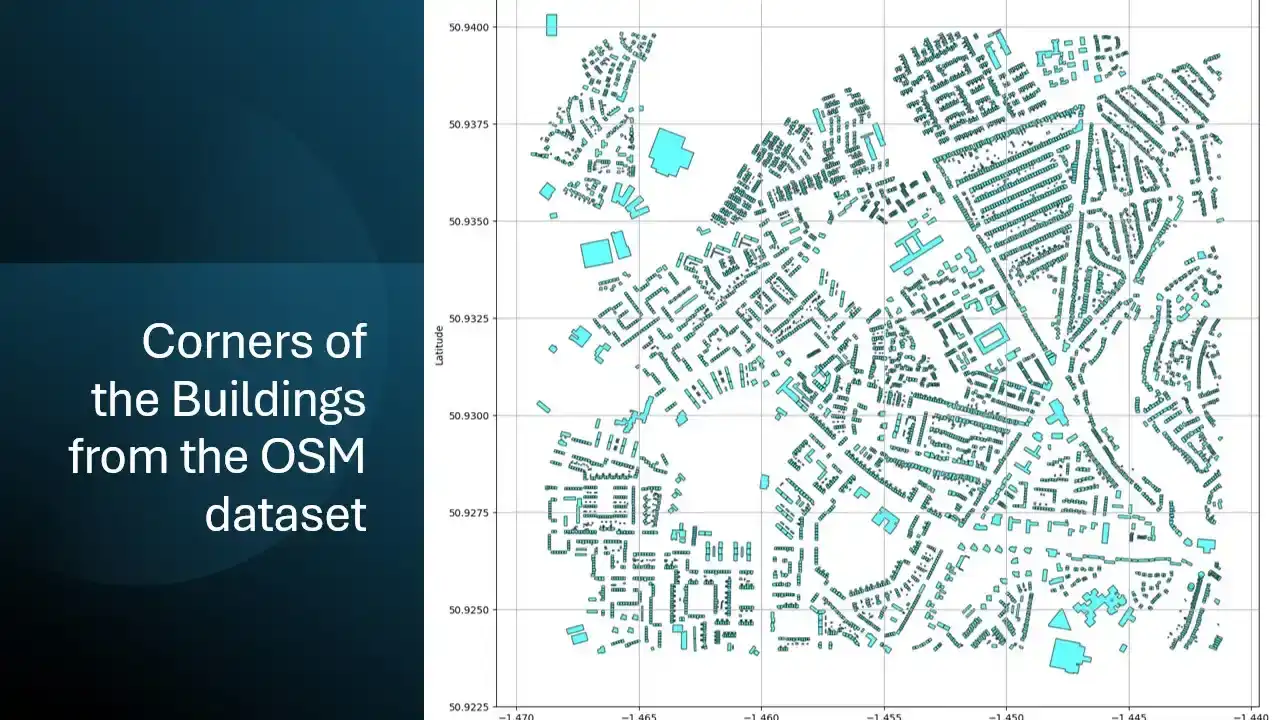
ESA wanted a fundamentally different approach: instead of visiting buildings, use thermal images captured from orbit (from sensors mounted on satellites high above Earth) and let software do the analysis. The raw imagery, however, is huge, noisy, and geographically complex; a thermal pixel on its own cannot tell you which building it belongs to, how big that building is, or what it is made of. The real problem was therefore a software engineering and data science one: build a reliable pipeline and AI system that can ingest terabytes of imagery, match every pixel to a specific building in a city-wide database, estimate that building's heat loss, and serve the results through a web application that non-technical users (city planners, renovation companies, materials suppliers) can actually work with.