Heart disease is the leading cause of death worldwide. Many dangerous rhythm problems, such as atrial fibrillation, are hard to catch because they only happen from time to time. A patient might have a few minutes of irregular rhythm once a month. A standard ECG in a clinic, or even a 24-hour Holter test, can miss it completely.
Cormedio set out to fix this with a small ECG device that patients can wear for weeks in daily life. Most wearables on the market only measure heart rate and show it on a phone. Cormedio wanted to offer something they did not: a real ECG signal, analysed in real time, with alarms that react when something goes wrong.
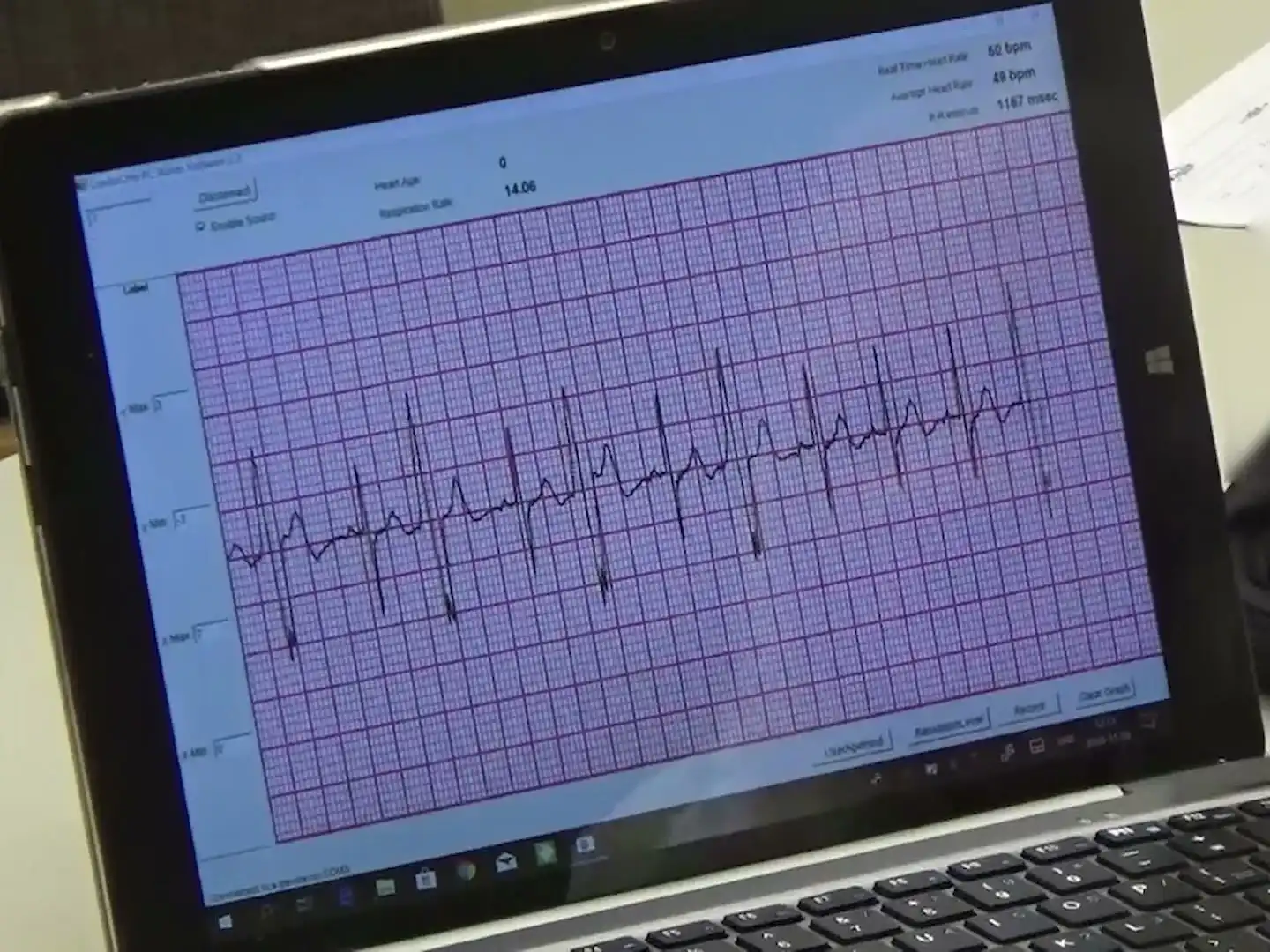
By late 2018 the team had a working sensor. At its first live demo at the University of Szeged's Department of Paediatrics, clinicians confirmed that the signal was clean. P and T waves were clearly visible, which is what a cardiologist needs to judge the rhythm. They also liked that the device needs only a few electrodes, which matters a lot with small children.
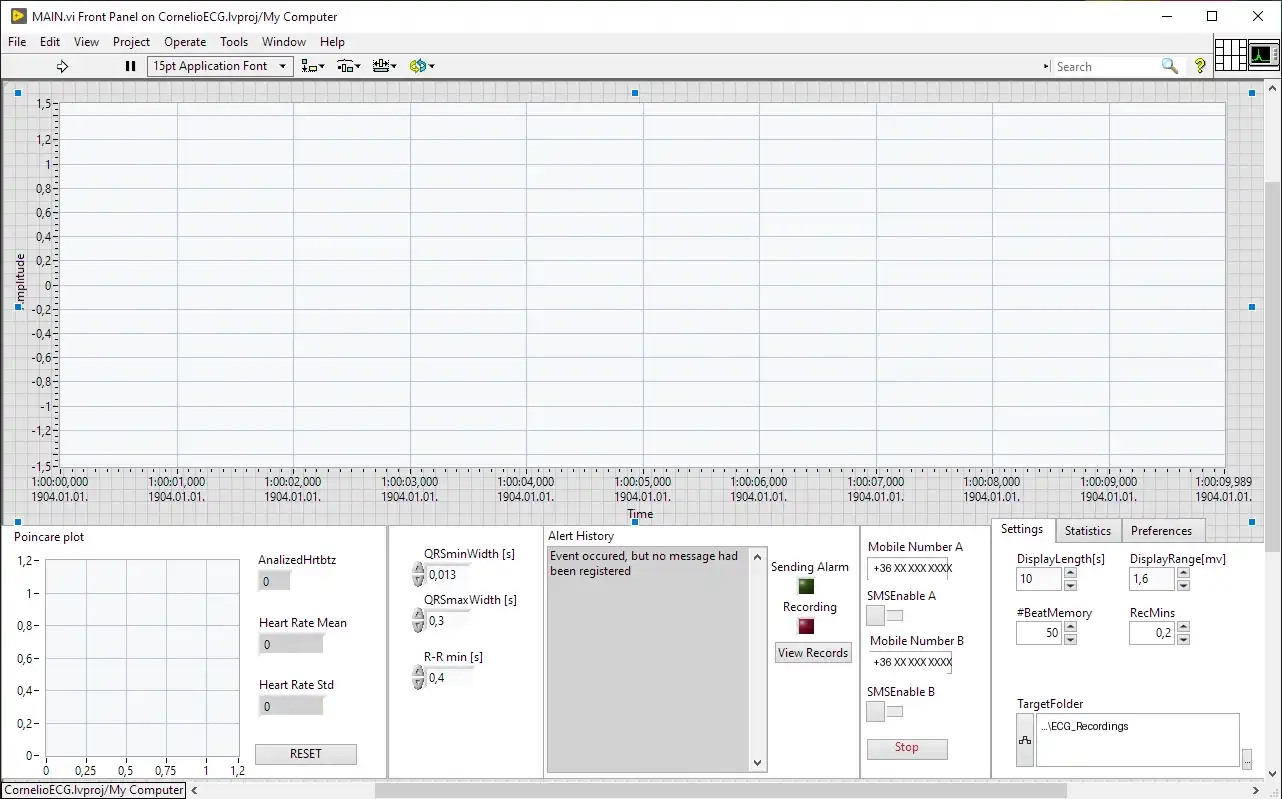
- Receive the ECG stream from the wearable sensor over Bluetooth and display it live
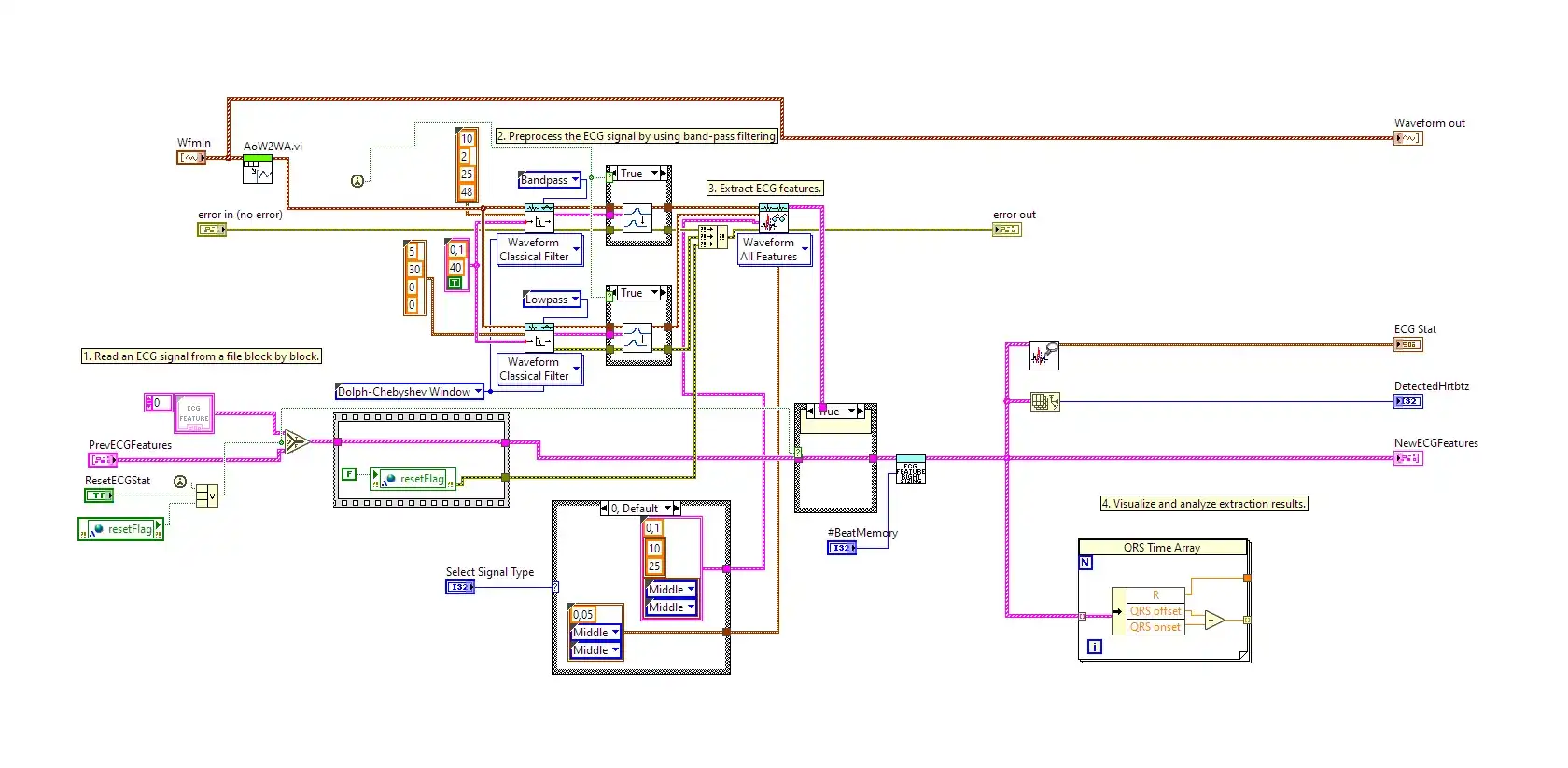
- Detect individual heartbeats and calculate heart rate variability (HRV) on the fly
- Recognise two levels of rhythm problems and respond to each one differently
- Send an SMS and start a phone call on its own when it detects a serious event, including the patient's location
- Be proven on both a live person and a professional ECG simulator
This was a hardware-in-the-loop project with a fixed demo date. It combined an off-the-shelf ECG chip with its own quirks, a GSM modem that had not been chosen yet, and analysis rules defined by a paediatric cardiologist. Cormedio also wanted its own engineer involved throughout the project, so the knowledge would stay in-house once we handed it over.